Weather, Fauna and Flora
Weather and nature play an important role in our lives, even if we do not always realise it. Human beings depend on the climate and the natural environment for survival, just like plants and animals. Slovakia is located in the northern hemisphere in the warm temperate climate zone, which means that we experience all four seasons of the year. Each season has its own typical weather, temperatures, natural colours and activities. These seasonal changes make our landscape interesting and diverse, and they also influence our lifestyle, health, mood and habits.
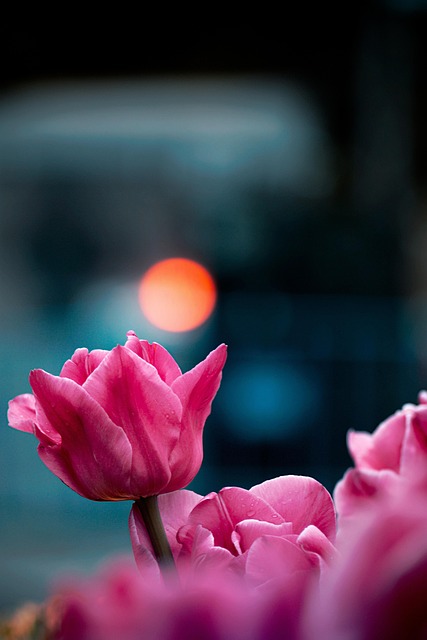
The first season in the year is spring, which usually begins on the 21st of March. During winter, nature sleeps under a blanket of snow and most plants stop growing. However, with the arrival of spring, everything slowly wakes up. Trees and flowers begin to bloom; the grass turns greener and birds return from warmer countries in the south. Days become longer and nights shorter, which is pleasant for many people because there is more daylight. The temperatures rise, but in the mornings and nights it is still cold, sometimes even below zero degrees Celsius. Spring weather is very unpredictable and changeable: one day the sun shines brightly, the next day it rains heavily or even snows. Melting snow and frequent rain cause rivers to swell, which sometimes leads to floods in lowlands. Spring is a hopeful season because new life starts everywhere, yet many people feel tired and sleepy — a condition called “spring lethargy” or “spring fatigue.”
Summer is the warmest season, and it officially starts on the 20th of June. In Slovakia, summer temperatures typically rise to 25–30°C, and during heatwaves they can reach more than 35°C. The mornings are fresh and often covered with dew, while the afternoons are sunny, hot and sometimes humid. The sky is usually clear, with little wind, although strong storms are typical in summer. These storms often follow very warm days when hot air rises and suddenly cools down. Lightning, thunder and heavy rain can appear quickly and last only a short time. Summer is a favourite season for most people, especially children and students who enjoy long school holidays. Families spend time outdoors, swimming in lakes, visiting water parks, hiking in the mountains, or travelling abroad to the seaside. However, very hot weather can be dangerous — people must protect themselves against sunstroke, dehydration and sunburn.
Autumn begins on the 23rd of September and brings big changes in nature. The days become noticeably shorter and the air gets colder. One of the nicest parts of autumn is “Indian summer” — a short period of warm, sunny and dry days after the first chilly mornings. During autumn, leaves change colour from green to yellow, orange and red, creating beautiful scenery. Eventually, the leaves fall off the trees, the grass loses its bright colour and animals prepare for winter. Birds migrate to the south, where temperatures are milder and food is more available. Autumn is also harvesting time: farmers pick apples, pears, pumpkins, potatoes and grains from the fields. In the mornings, fog often hangs low in valleys and rainfall is more common. The weather can be chilly, wet and windy, and people start wearing coats and boots to stay warm.
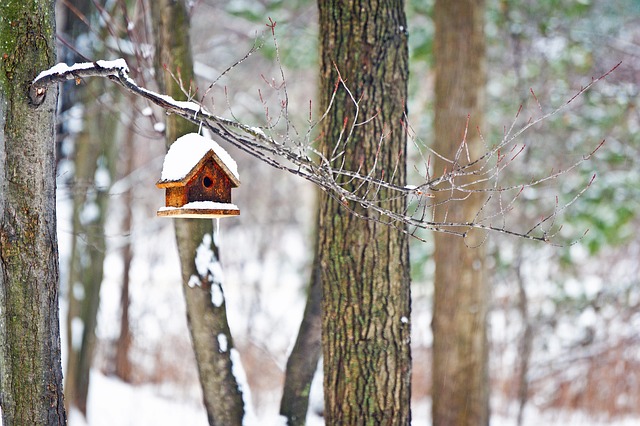
Winter arrives on the 21st of December and is the coldest season in Slovakia. Snow often covers the countryside, trees and rooftops, and the temperature may drop far below zero degrees Celsius. Frosty mornings, icy sidewalks and frozen lakes are typical. Wind blowing across open areas can feel extremely cold. For many people, winter brings lots of fun activities such as sledding, skiing, snowball fights, ice skating or building snowmen. However, winter can also be difficult: heavy snowfall sometimes blocks roads, and heating homes becomes necessary. Lack of sunlight affects natural energy levels and influences sleep and mood. Despite difficulties, winter is magical for many, especially during Christmas holidays when towns and villages light up with decorations.
Weather does not only change the nature around us — it also affects our health and well-being. Hot weather can make people tired, thirsty and less able to concentrate. Many suffer from sleepless nights in heatwaves or irritation caused by humidity. Cold weather can cause colds, flu, sore throats and frozen fingers. Lack of sunlight is linked to depression, sadness and passivity. Scientists use the term “seasonal affective disorder” for people who feel unwell during dark winter months. Some individuals feel headaches or pain in their joints when weather changes. Allergies appear in spring and summer when plants release pollen, which causes hay fever, sneezing and watery eyes. This shows that weather influences both physical and mental health in many ways.
Weather forecasting helps people prepare for upcoming changes. Meteorologists use satellites, radar and weather stations to predict temperature, wind speed, rainfall and storms. A typical forecast for Slovakia might sound like this: “In the next 24 hours, we expect partly cloudy skies in most regions. Morning temperatures will be around 5–8°C, rising to 15–18°C during the day. Occasional rain showers are possible in the northern parts of the country, and light winds will blow from the west. The evening will be cooler with increasing cloudiness.” Such forecasts help farmers plan work in fields, help drivers avoid dangerous conditions and help families decide what to wear or whether to carry umbrellas.
Slovakia’s flora and fauna reflect its climate and four distinct seasons. However, animals and plants around the world live under different conditions and must adapt to survive. In cold climates, such as the Arctic, polar bears, seals and penguins have developed thick layers of fat and dense fur or feathers to keep warm. Polar bears even have hair on their paws to prevent slipping on ice. Some animals hibernate during winter — bears and hedgehogs sleep for months, using stored fat for survival. Squirrels collect nuts and acorns in autumn to prepare for the cold season. Birds migrate long distances to warmer places when food becomes scarce.
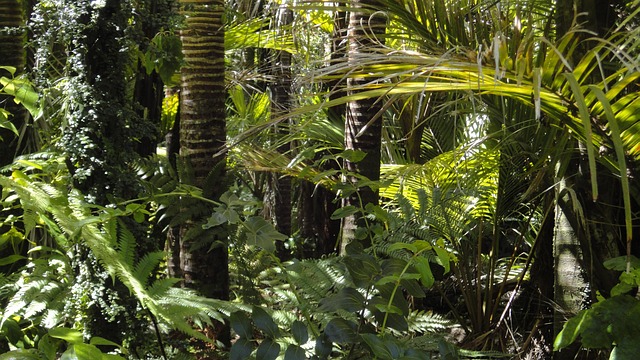
Plants have developed their own adaptations. In rainforests, where rain is heavy, trees grow very tall to reach sunlight, and their leaves are large and waxy so water slides off easily. In deserts, where water is rare, cacti store water inside their thick stems and develop spines instead of leaves to reduce water loss. Certain plants, such as sunflowers, rotate to follow the sun throughout the day, which increases their energy intake. In temperate climates like Slovakia, many trees shed leaves during winter to save water and energy when temperatures drop.
In hot regions such as Africa, animals like camels can survive long periods without water thanks to their humps, which store fat that can be converted into energy and water. They also have long eyelashes and closable nostrils to protect themselves from wind and blowing sand. On the other hand, Arctic animals often blend into their snowy surroundings with white fur as camouflage to avoid predators.
A fascinating fact is that animals often predict weather changes better than technology. When swallows fly low above the fields, it usually means rain is coming because insects, their food, fly lower in humid air. Ants becoming unusually active or worms appearing on pavements often signal approaching rain. Nature constantly communicates with us if we pay attention.
The weather in Slovakia is not always the same today as it was decades ago. Many older people remember winters with more snow and freezing temperatures that lasted for months. Nowadays, because of global warming and climate change, summers are hotter and winters are milder. Snow sometimes falls only in the mountains, and lowland areas experience only a short winter followed by early spring. Some scientists warn that Slovakia may start to feel like a two-season country — long hot summers and short mild winters — if climate change continues.
Human activities such as burning coal, using cars excessively, deforestation and wasteful lifestyles affect the climate and natural habitats. Environmental protection, recycling, sustainable energy sources and personal responsibility are necessary to ensure that future generations can enjoy nature as we do today. Protecting flora and fauna also means protecting ourselves, because the survival of humans is closely connected to the health of ecosystems.

Obrázky použité na tejto stránke sú čerpané zo stránky:
pixabay